Blog
Notes from the control room.
Hands-on writing about validating testnets, building on GenLayer and Arc, and what actually works in the decentralized web.

Unified Balance Kit Meets Streaming Payments — What Changes for Builders on Arc
Arc released the Unified Balance Kit four days ago. I've been integrating it with StreamPay — a real-time USDC streaming protocol I built on Arc testnet. Here's what changed, what it unlocked, and the code patterns that actually work.
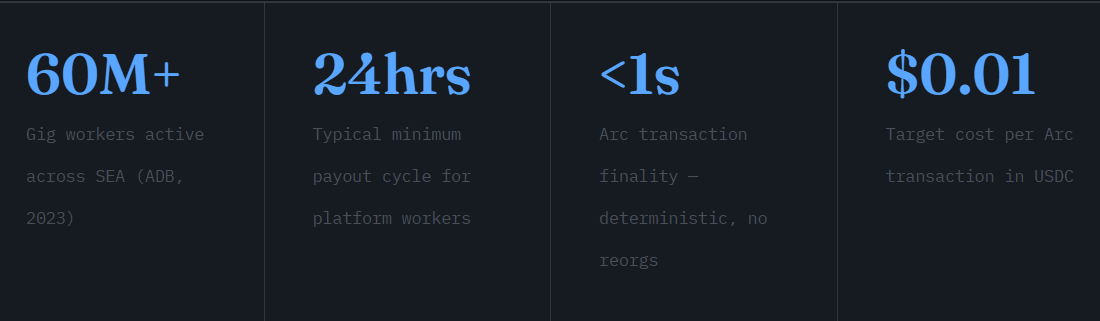
Southeast Asia Has 60 Million Gig Workers. They Get Paid Once a Day — at Best.
Grab drivers, freelancers, couriers, remote contractors. They settle their labor in real time. Their payment doesn't. Here's what programmable, onchain settlement could change — and what I'm exploring building on Arc testnet to prove it.
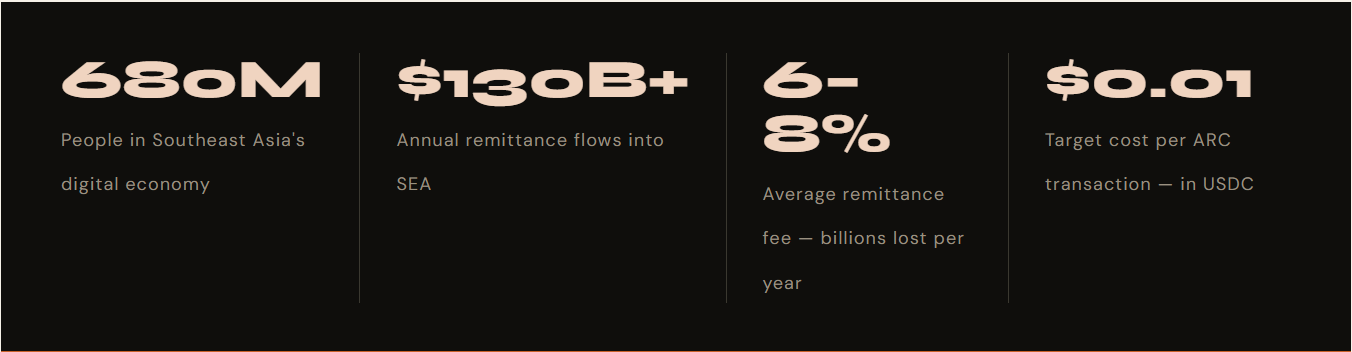
Arc Network × Southeast Asia — Why 680 Million People Need This Chain
680 Million People. $800 Billion in Friction. One Chain That Could Fix It. Why Southeast Asia isn't just ARC's biggest opportunity — it's the proof that stablecoin-native infrastructure was the right call all along.
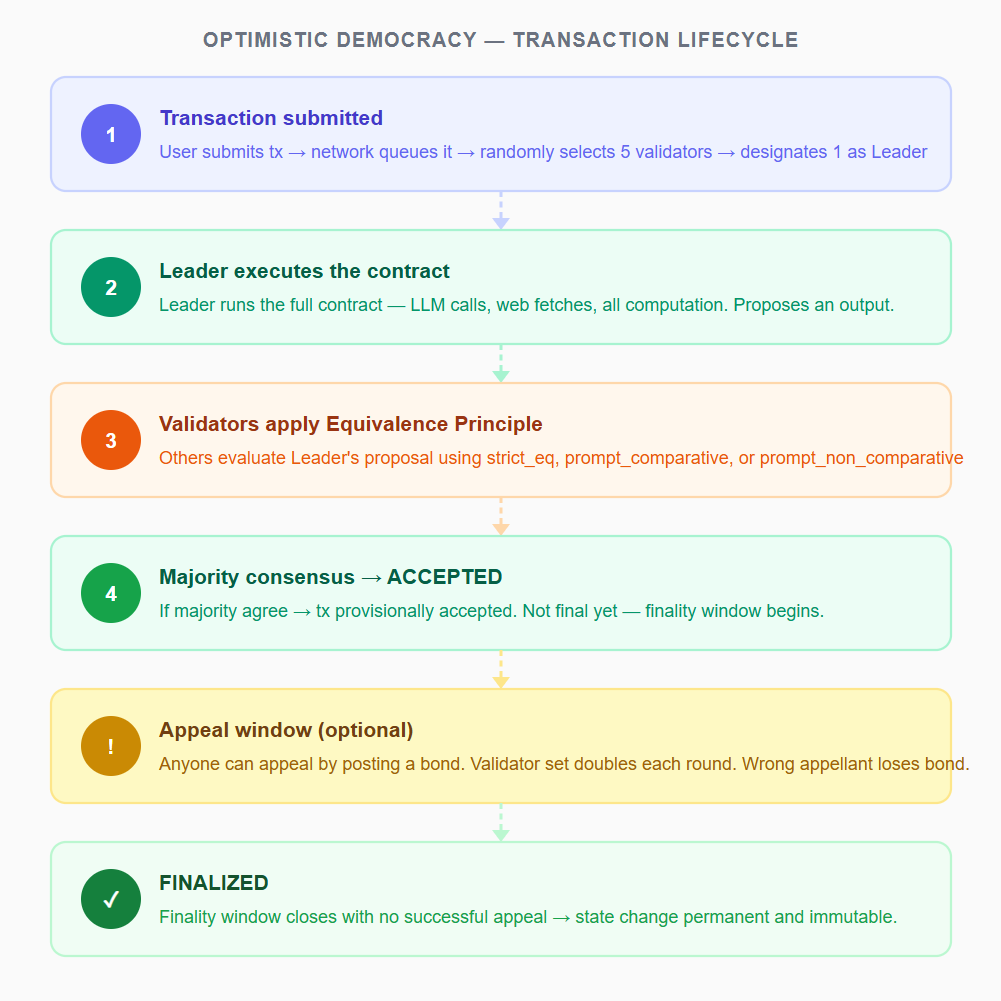
How GenLayer Reaches Consensus Without Trusting Anyone
A visual guide to Optimistic Democracy — GenLayer's mechanism for making AI-powered smart contracts work in a decentralized network.
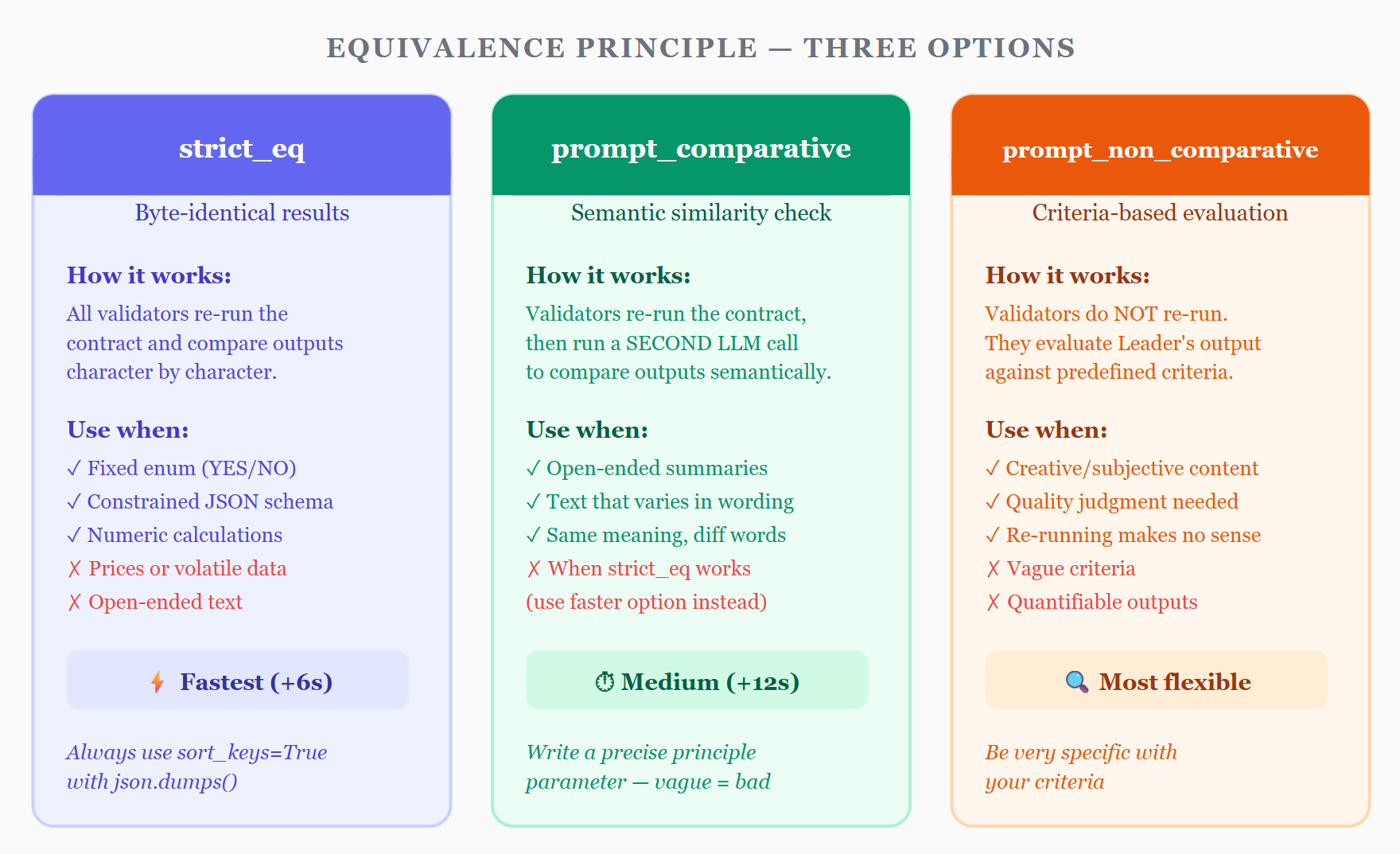
The Equivalence Principle: How GenLayer Validators Agree on AI Outputs
A visual breakdown of the three types of equivalence checks — and how to pick the right one for your contract.
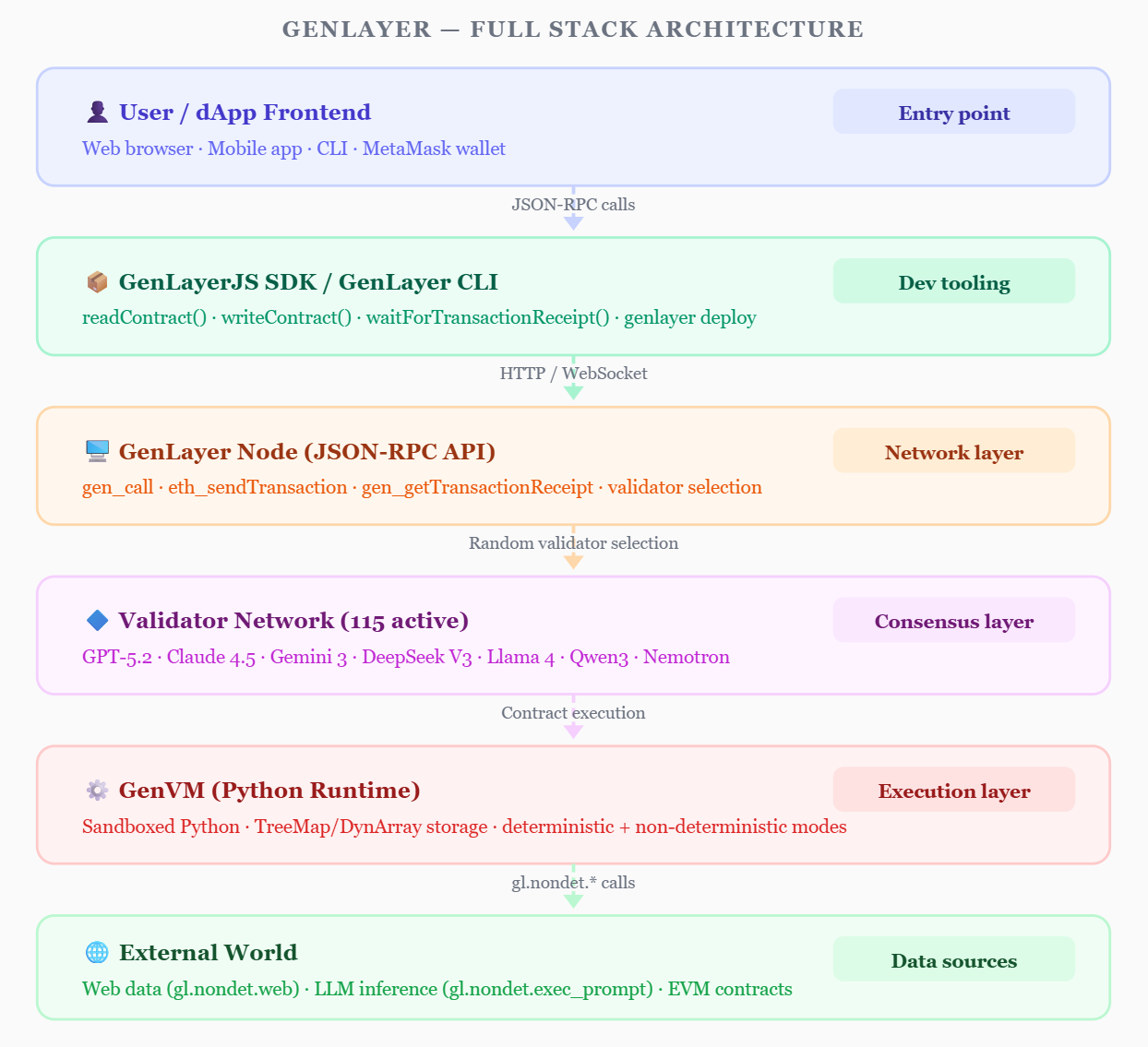
GenLayer Architecture, Layer by Layer
A visual walkthrough of how everything connects — from your dApp frontend down to the external world of LLMs and live web data.

GenLayer Intelligent Contract — Execution Performance Benchmark
How long does it actually take for different types of Intelligent Contracts to finalize on GenLayer? This performance benchmark measures execution time across 5 contract categories.
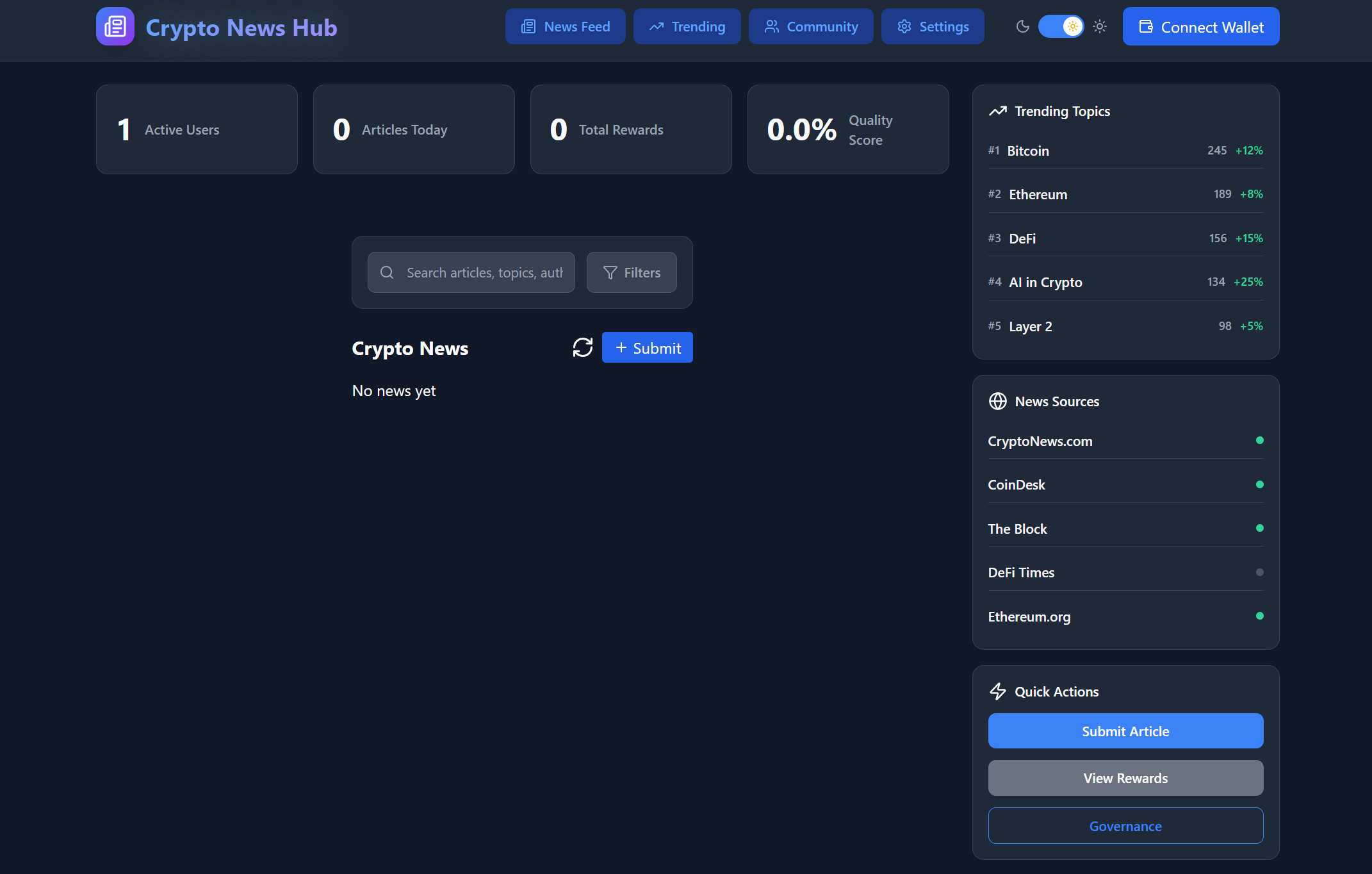
Build a News Sentiment Oracle on GenLayer — Tutorial
An Intelligent Contract that fetches live news, analyzes sentiment, and stores the result on-chain — all without a centralized oracle.
GenLayer for Beginners: What It Is and How to Join the Builder Program
The internet finally has a court. And it runs on AI. GenLayer is an AI-native trust layer — a blockchain designed to resolve disputes, enforce digital contracts, and make decisions that traditional smart contracts simply can't handle.
Getting Started with Crypto Validation: My Journey
Welcome to my first blog post! As a blockchain validator and node operator, I've had the opportunity to work with various crypto projects and testnets. In this post, I want to share my journey and experiences in the crypto validation space.